
It was supposed to be a quiet Thursday morning in Syokimau, Machakos County. Instead, detectives from the Ethics and Anti-Corruption Commission (EACC) kicked down the door of a high-profile residence at dawn. The target? Patrick Analo Akivaga, Chief Officer for Urban Development and Planning for Nairobi County Government.
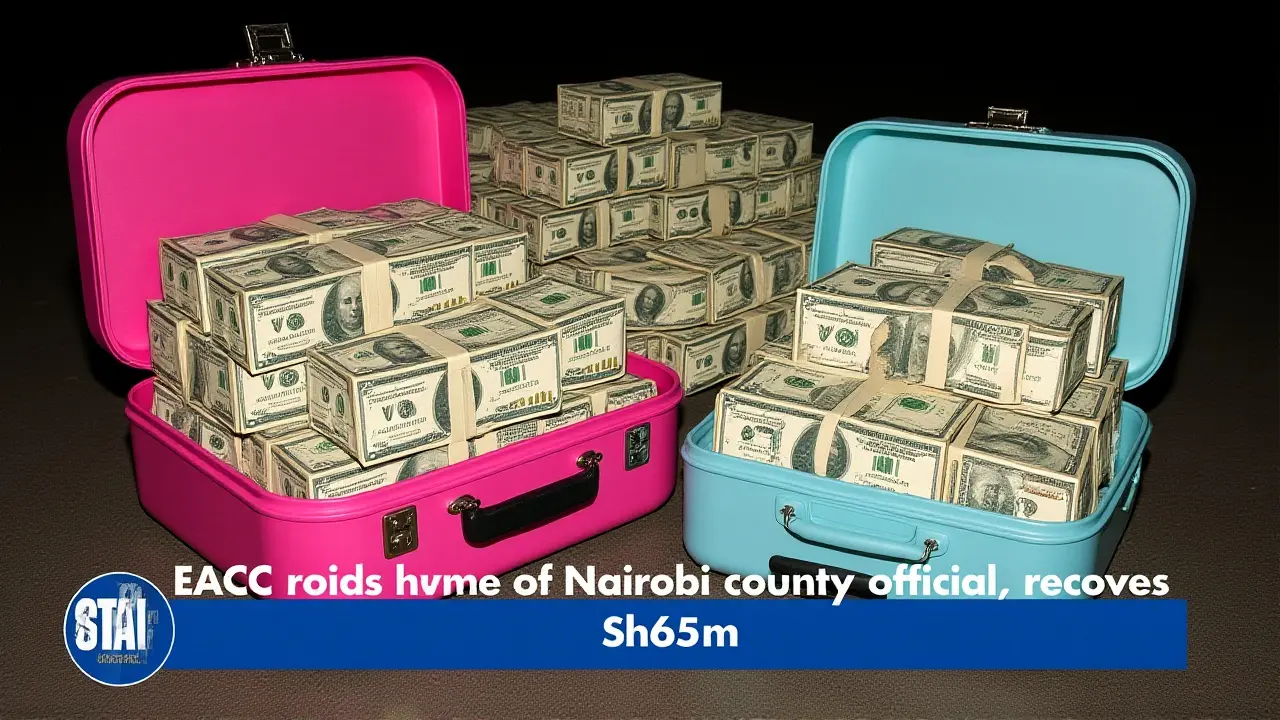
The result wasn't just an arrest—it was a staggering haul. EACC agents recovered approximately KSh 65.3 million in cash, hidden in briefcases and vehicle boots. But here’s the twist: that money is only part of the story. Investigators allege Akivaga received over KSh 170 million through suspicious deposits, painting a picture of systemic graft within one of Kenya's most powerful local governments.
The Dawn Raid Details
On June 4, 2026, the operation moved with military precision. Agents didn't just search the house; they scrutinized every corner of Akivaga’s life. The cash wasn't sitting on a table—it was packed into two traveling bags and stashed in the boots of his vehicles. It’s the kind of detail that suggests preparation, or perhaps panic.
An unnamed EACC official broke down the seizure in a video statement that quickly circulated online:
"Today's operation yielded valuable evidentiary material... Kenya shillings, 51 million, 300,000 shillings... and US dollars, 113,000... approximated to be about 14 million [KSh], thereby giving us a total of about 65 million, 300,000."
That’s $113,000 in greenbacks alone. For a public servant whose salary is publicly known, holding that much foreign currency in cash is more than odd—it’s incriminating. The physical evidence was supplemented by digital trails. Agents seized laptops, mobile phones, and critical documents including title deeds, land registration papers, and motor vehicle logbooks. Most damningly, they found approval plans directly from the Nairobi County Government, linking the illicit wealth directly to his official duties.
Beyond the Cash: The Financial Trail
If you think KSh 65 million is shocking, wait until you hear the rest. According to reports from The Star, EACC isn't just looking at the cash in the bag. They’re tracing a financial footprint worth over KSh 170 million.
This larger sum allegedly came through numerous suspicious cash deposits and M-Pesa transactions. In modern Kenya, M-Pesa is ubiquitous, but it also leaves a digital breadcrumb trail. Investigators are likely cross-referencing these mobile money records with Akivaga’s declared income. The gap between what he earns and what he spends—or receives—is where the crime lies.
Here’s the thing about urban planning in Nairobi: it’s lucrative. Permits, zoning changes, and development approvals are gateways to kickbacks. As Chief Officer, Akivaga sat right at that gateway. The seizure of "approval plans" during the raid suggests investigators believe he monetized his position, trading regulatory favors for cold hard cash.

Conflicting Figures and Social Media Noise
In the age of instant news, facts can get muddy fast. While EACC confirmed KSh 65.3 million, social media erupted with higher figures. An Instagram reel claimed KSh 250 million was recovered. Even some URL slugs from major outlets like TUKO.co.ke hinted at this larger number.
But let’s stick to the verified data. The EACC video statement was specific: KSh 51.3 million in Kenyan shillings and $113,000 in USD. The discrepancy likely stems from confusion with other ongoing probes or speculative rumors. It’s a reminder to check your sources before sharing. This isn’t just gossip; it’s a criminal investigation with serious legal implications.
A Pattern of Corruption?
This raid doesn’t exist in a vacuum. Just recently, EACC targeted another Nairobi County official—Traffic Commandant Joseph Chirchir—recovering a safe full of money after junior officers tipped them off. The pattern is clear: the anti-graft commission is cleaning house in Nairobi.
Why now? Pressure from citizens tired of seeing public funds vanish while infrastructure crumbles. The arrests send a message: no office is too senior to escape scrutiny. For residents of Nairobi, who deal daily with bureaucratic hurdles and inflated costs, these raids offer a glimmer of hope. Or at least, a sign that someone is watching.

What Happens Next?
Akivaga has been arrested. The next step? Prosecution. EACC must now present its case to the Director of Public Prosecutions (DPP). If the evidence holds up—and those title deeds and bank records look solid—he could face charges for abuse of office, bribery, conflict of interest, and possession of unexplained assets.
The trial will be closely watched. Will Akivaga cooperate? Will others named in the documents come forward? Only time will tell. But one thing is certain: the era of unchecked power in Nairobi County’s planning department appears to be ending.
Frequently Asked Questions
Who is Patrick Analo Akivaga?
Patrick Analo Akivaga is the Chief Officer for Urban Development and Planning for Nairobi County Government. He oversees critical aspects of city growth, including building permits and zoning regulations, making his position highly influential and susceptible to corruption allegations.
How much money did EACC actually recover?
EACC officially recovered KSh 65.3 million in cash. This includes KSh 51.3 million in Kenyan shillings and $113,000 in US dollars (valued at approximately KSh 14 million). While social media rumors suggested higher amounts, the commission’s detailed breakdown confirms the KSh 65.3 million figure.
What charges is Akivaga facing?
He is under investigation for conflict of interest, abuse of office, bribery, and possession of unexplained assets. Additionally, investigators are probing suspicious financial transactions totaling over KSh 170 million via cash and M-Pesa deposits.
Where did the raid take place?
The raid occurred at Akivaga’s private residence in Syokimau, Machakos County. Agents searched both the house and his vehicles parked on the premises, recovering cash, documents, and electronic devices.
Is this part of a larger crackdown on Nairobi officials?
Yes. This follows a similar recent raid on Nairobi County Traffic Commandant Joseph Chirchir. The EACC appears to be intensifying its efforts against corruption within the Nairobi County Government, targeting multiple departments simultaneously.
Author
Ra'eesa Moosa
I am a journalist with a keen interest in covering the intricate details of daily events across Africa. My work focuses on delivering accurate and insightful news reports. Each day, I strive to bring light to the stories that shape our continent's narrative. My passion for digging deeper into issues helps in crafting stories that not only inform but also provoke thought.