
The case has taken a dark and unexpected turn in Eldorado Park. A 42-year-old police officer has been formally charged with the murder of his 22-year-old girlfriend, yet he remains free from formal arrest. Why? Because just as investigators moved to take him into custody, he allegedly turned his own service weapon on himself.
According to Phaladi Shuping, spokesperson for the Independent Police Investigative Directorate (IPID), the suspect is currently under strict police guard in a hospital. He was there after attempting suicide. The irony is palpable: a man sworn to uphold the law is now the subject of a high-profile investigation, hiding behind the walls of a medical facility rather than a jail cell.
A Tragic Incident Behind Closed Windows
Here’s what we know about the incident itself. It happened right in the community where the officer served. The victim, a young woman aged 22, was shot through a window. IPID preliminary investigations quickly identified her partner—the 42-year-old officer—as the primary suspect. Witnesses report that he fired several shots at her during the altercation.
It’s a grim reminder of how domestic violence can escalate instantly. The details are still being pieced together, but the core narrative is clear: a relationship dispute ended in gunfire. The location, Al Dorado Park (also known as Eldorado Park), has become the center of this tragedy. Residents are likely reeling from the news that one of their own safety figures was involved in such a violent act.
The Suicide Attempt and Custody Complications
The twist here is the timing. Just as IPID investigators were about to execute an arrest warrant, the officer allegedly attempted to take his own life by turning his gun on himself. This act didn’t just save him from immediate handcuffs; it complicated the entire legal process.
He hasn’t been officially arrested. Instead, he’s under "police guard" or custody while hospitalized. This distinction matters legally. Without a formal arrest and statement, the prosecution’s hands are somewhat tied. As Shuping noted, progress is hindered because the main suspect isn’t in a position to submit a statement. You can’t interview someone who is fighting for their life—or refusing to engage due to trauma or guilt.
At the time of the update, investigators weren’t aware of a second suspect. All eyes remain on this single individual. But the lack of a statement leaves gaps in the timeline. What led to the shooting? Was there a prior warning? These questions hang in the air, unanswered for now.
Court Delays and Legal Next Steps
The legal machinery is grinding to a halt. The officer was scheduled to appear in court recently, but his hospitalization forced a postponement. The new date? January 6.
IPID investigators are hopeful. They’re waiting for him to recover sufficiently to make a physical appearance. If he survives and recovers, he’ll face charges in person. If not, the case could move forward in absentia, though that’s less common in murder trials unless specific conditions are met. The focus is on getting him well enough to stand trial.
This delay also gives the defense team time to prepare. But more importantly, it keeps the public on edge. Families of victims often crave closure, and every day spent in a hospital bed feels like an eternity when justice is pending.
Broader Implications for Policing
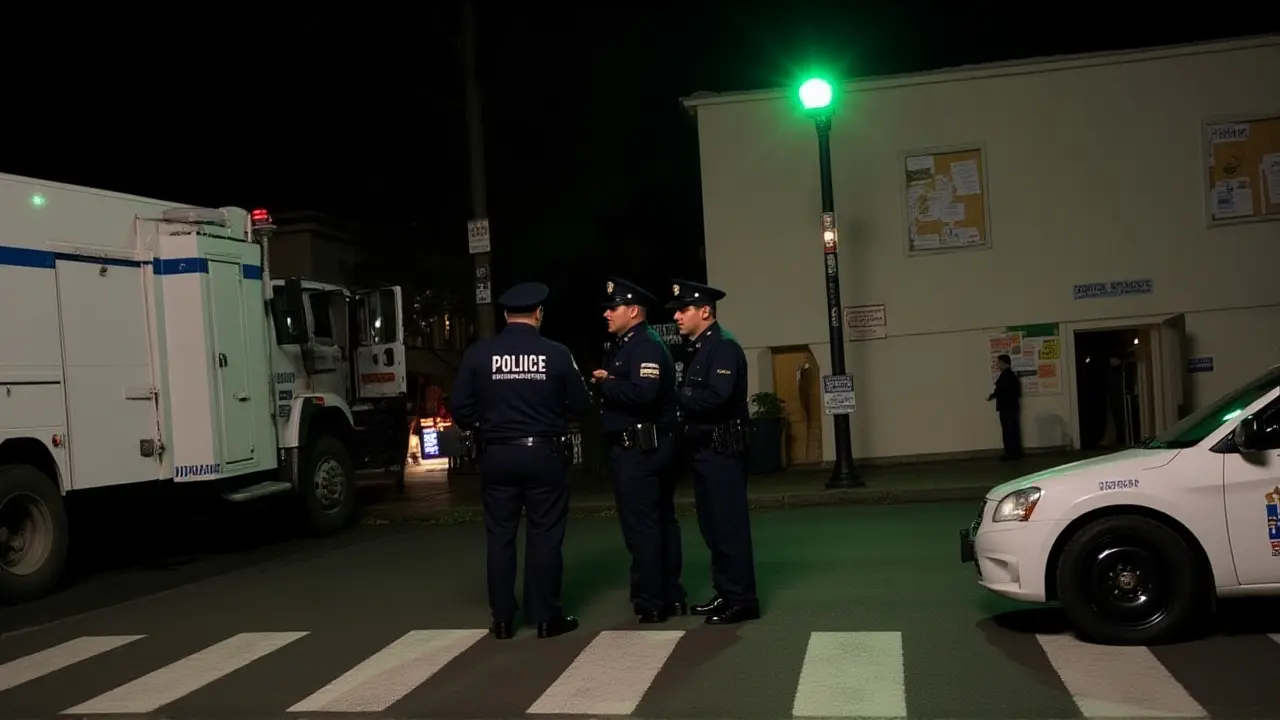
This case isn’t just about one officer and one victim. It touches on deeper issues within law enforcement. How do you investigate a colleague? How do you ensure accountability when the suspect is part of the system meant to enforce it?
IPID exists precisely for this reason—to provide independent oversight. Their involvement signals that this won’t be swept under the rug. But the suicide attempt raises uncomfortable questions about mental health among officers. Is there support available? Or does stress lead to breaking points like this?
Experts suggest that cases involving internal suspects require extra scrutiny. Bias can creep in, whether consciously or not. By handing this over to IPID, the system aims to maintain integrity. Yet, the outcome will test that commitment.
What We Don’t Know Yet
The details are still unclear regarding the exact sequence of events leading up to the shots. Were there witnesses nearby? Did anyone hear the argument before the gunfire started? These nuances matter for building a solid case.
Also, the condition of the victim is not fully detailed in the initial reports. Was she injured critically? Did she survive? The article focuses heavily on the suspect, which is understandable given the legal drama, but the human cost lies with the victim and her family. Their grief is real, even if they haven’t spoken publicly yet.
Frequently Asked Questions
Why hasn't the officer been officially arrested?
The officer was not formally arrested because he allegedly attempted suicide just as investigators moved to take him into custody. He is currently under police guard in a hospital, which complicates the standard arrest procedure. Legal authorities must balance security with his medical needs.
When is the next court date for the suspect?
The court appearance has been postponed to January 6. This delay is due to the suspect's hospitalization following his suicide attempt. Investigators hope he will have recovered enough to attend the hearing in person.
Who is investigating this case?
The Independent Police Investigative Directorate (IPID) is handling the investigation. As an independent body, IPID investigates allegations against police officers to ensure impartiality and avoid conflicts of interest within regular police departments.
Is there a second suspect involved?
As of the latest update from IPID spokesperson Phaladi Shuping, investigators are not aware of a second suspect. The focus remains entirely on the 42-year-old police officer, who is considered the primary suspect in the shooting.
How is the investigation progressing without a statement?
Progress is somewhat hindered because the suspect cannot submit a statement while hospitalized. However, IPID relies on other evidence, including witness testimonies, forensic data from the scene, and preliminary findings to build their case.
Author
Ra'eesa Moosa
I am a journalist with a keen interest in covering the intricate details of daily events across Africa. My work focuses on delivering accurate and insightful news reports. Each day, I strive to bring light to the stories that shape our continent's narrative. My passion for digging deeper into issues helps in crafting stories that not only inform but also provoke thought.