
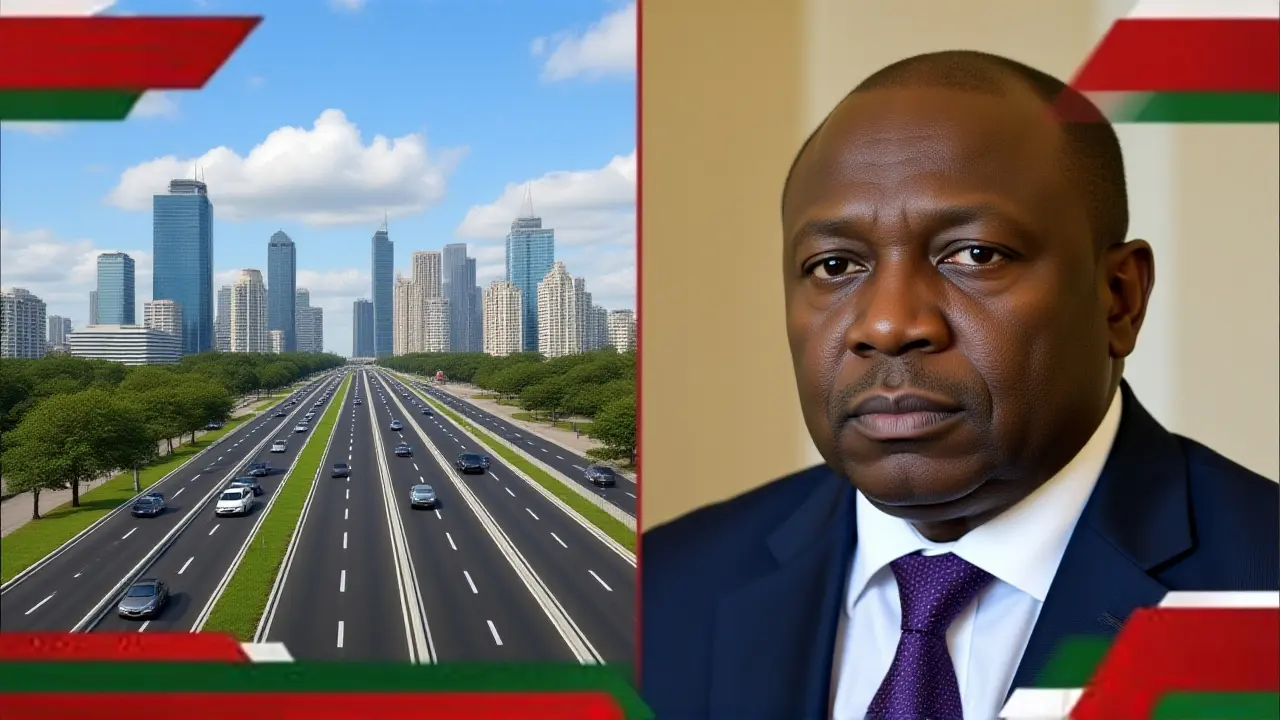
The headlines were clear: construction begins immediately. But in the bustling corridors of Kenya's justice system, a different reality is already forming. President William Ruto officially launched the redesigned Rironi-Nakuru-Mau Summit Road project in November 2025, ordering contractors to finish work by June 1, 2027. However, just days later, the Motorists Association of Kenya filed an emergency petition in the Nakuru High Court, demanding a halt to what they call a politically motivated scheme.
The Road Redesign Debate
Back in October 2025, tensions were already high regarding the state of the Northern Corridor. During a meeting with grassroots leaders on October 28, Ruto admitted that the original blueprint simply wasn't cut out for the future. He recalled learning that a standard two-lane dual carriageway would clog up again within nine years. "For too long, this corridor carried more than it could bear," he noted then. The delay between the original September 2025 plan and the actual November 2025 launch wasn't accidental; it was strategic. The administration decided to upscale the entire infrastructure footprint before breaking ground.
The final specifications are ambitious. We're talking about a four-lane dual carriageway stretching from Rironi all the way to Naivasha. Further along, between Naivasha and Nakuru, the design jumps to six lanes. That's a massive increase in capacity for a route that sees thousands of trucks daily. The full highway spans 170 kilometres, integrating into the critical trade route that links Nairobi to the Rift Valley and the wider western region. If built correctly, travel times drop drastically, but the cost and logistics of that scale-up are where things get complicated.
Funding the Vision
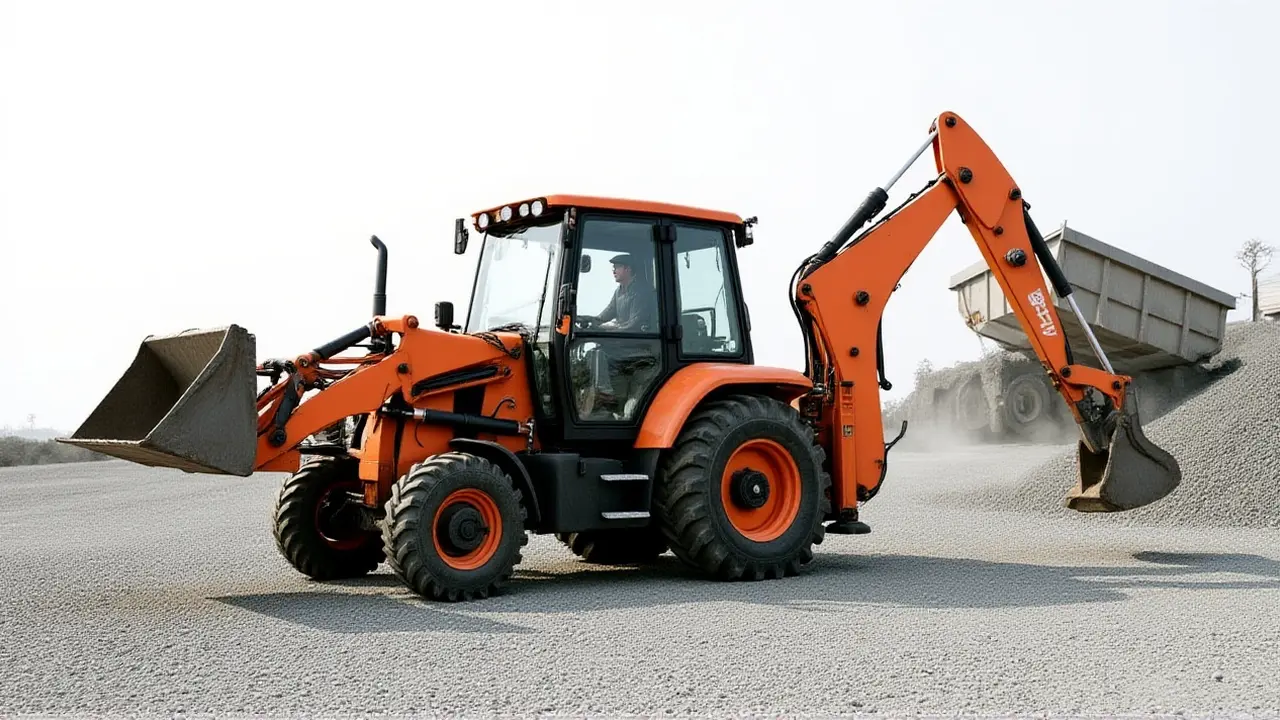
Money has always been the elephant in the room for big projects like this. The government isn't footling the bill alone. Instead, a public-private partnership model is kicking in, involving a consortium led by the China Road and Bridge Corporation alongside the National Social Security Fund. Two contractors will start simultaneously—one team pushing from Rironi, another from Gilgil—to speed up delivery. Ruto wants Madaraka Day celebrations at Afraha Stadium in 2027 to mark the completion deadline. It’s a tight schedule, essentially building a major artery in roughly 18 months.
Why does the funding model matter? Because private equity means tolls. That’s the friction point right now. Critics argue that introducing tolls on a stretch of road that citizens feel they've already paid taxes for is unfair. They claim the expansion is a manufactured crisis to justify privatization. The official stance from the Ministry is different: they say freight costs will drop, markets for farmers will open, and safety will improve. Whether the math works out depends entirely on how traffic behaves once the lanes open.
Legal Firestorm Ignites
Turns out, the courtroom drama started almost the moment the shovels touched dirt. On December 5, 2025, barely hours after the official launch, the Motorists Association of Kenya approached Justice Julius Nangea. Three individual petitioners—Peter Murima, Joyce Wamahiu, and Josphat Kamau—joined the suit. Their argument isn't just about potholes or delays; it's about the legitimacy of the whole PPP arrangement.
The petition alleges that successive public officials stalled the highway expansion for over a decade intentionally. According to them, this created the urgency needed to push through a privatisation agenda. The respondents listed in the case are extensive, including the Cabinet Secretary for Roads, the Kenya National Highways Authority (KenHA), and the Attorney-General. Justice Nangea gave the government seven days to file replies, with the case returning to court shortly thereafter. It’s a classic standoff: executive momentum versus judicial scrutiny.
Economic Stakes and Regional Impact
This isn't just about commuting from Nairobi to Nakuru. The corridor feeds international trade into Uganda, Rwanda, Burundi, South Sudan, and the DRC. Officials claim the upgraded route will unlock faster movement of goods, which is vital for a country trying to join the league of developed nations. Ruto has previously stated Kenya needs 1,000 km of dual carriageways and eventually 10,000 km to achieve that leap. While the court battles play out, the economic argument remains that congestion kills competitiveness.
However, the legal uncertainty casts a shadow. If the court halts works, investors like the China Road and Bridge Corporation face billions in potential losses. Conversely, if the project moves ahead unchecked, drivers worry about hidden costs down the line. The situation remains tense as both sides prepare their cases. Only time—and perhaps a judgment from Nakuru—will tell if the road gets finished by Madaraka Day 2027.
What Comes Next?
The immediate future hinges on those seven-day filings. We expect the government to lean heavily on the KenHA reports detailing why the upgrade was unavoidable. On the other side, the plaintiffs will likely bring in evidence regarding past studies that showed the two-lane option was sufficient. Regardless of the outcome, the debate highlights a broader issue: how infrastructure is financed when the state budget can't cover everything.
Frequently Asked Questions
When is the Rironi-Nakuru-Mau Summit Road project scheduled to finish?
President William Ruto has set a strict completion deadline of June 1, 2027. Contractors are instructed to begin work simultaneously from Rironi and Gilgil to meet this target, with plans to celebrate the completion during Madaraka Day festivities at Afraha Stadium.
Who is funding the road construction project?
The project utilizes a public-private partnership model funded by a consortium that includes the China Road and Bridge Corporation (CRBC) and the National Social Security Fund (NSSF), meaning private capital backs the public infrastructure.
What are the main reasons for the court petition?
Petitioners allege the project is driven by commercial interests rather than public need, claiming officials artificially stalled previous expansions to justify privatization and reintroduce toll charges on a vital transport corridor.
How will the new road design differ from the original plan?
The original plan featured a two-lane dual carriageway. The new design upgrades this to a four-lane road from Rironi to Naivasha and expands further to a six-lane dual carriageway between Naivasha and Nakuru to handle higher traffic volume.
Which regions will benefit most from this highway upgrade?
The upgrade targets the Northern Corridor, linking Nairobi to the Rift Valley. It specifically benefits regional trade flows to Uganda, Rwanda, Burundi, South Sudan, and the Democratic Republic of Congo by improving freight efficiency.
Is construction currently paused due to the lawsuit?
As of the latest court filings, interim orders were sought to halt preparatory works, but the matter was referred back to court for directions. Petitioners were ordered to serve all respondents, who have seven days to file replies before the case resumes.


Author
Ra'eesa Moosa
I am a journalist with a keen interest in covering the intricate details of daily events across Africa. My work focuses on delivering accurate and insightful news reports. Each day, I strive to bring light to the stories that shape our continent's narrative. My passion for digging deeper into issues helps in crafting stories that not only inform but also provoke thought.