
Consumer Compensation: What You’re Owed and How to Get It
When you pay for something—whether it’s a phone, a flight, or a subscription—and it fails to deliver, consumer compensation, the legal right to receive restitution when a product or service doesn’t meet agreed standards. Also known as consumer redress, it’s not a gift. It’s the law. Companies don’t get to decide if you’re owed money. You do—by law.
Consumer compensation kicks in when there’s a clear failure: a product breaks within warranty, a service isn’t delivered as promised, or you’re charged twice for the same thing. It’s not about being angry. It’s about being treated fairly. In South Africa, the Consumer Protection Act guarantees you a refund, replacement, or repair. In the EU, it’s even stronger—you can walk away with cash back if the issue isn’t fixed fast. And in the U.S., class-action lawsuits have forced giants like Netflix and Apple to pay millions in compensation after service outages and hidden fees.
This isn’t theoretical. Look at the Netflix outage in late 2025. Two million users lost access during the Stranger Things premiere. While Netflix didn’t issue automatic refunds, thousands filed claims—and many got credits. That’s consumer rights, the legal protections that ensure fair treatment when buying goods or services. It’s the same principle behind the Kenya NSSF pension dispute, where customers demanded accountability after a reported R16 billion loss. People don’t just want an apology. They want their money back.
And it’s not just big tech. When a flight gets canceled, a gym closes without notice, or your internet cuts out for weeks, you’re not asking for a favor. You’re enforcing your right to be made whole. The process is simple: document the issue, contact the company in writing, and if they ignore you, escalate to a consumer protection agency. In South Africa, that’s the National Consumer Commission. In Kenya, it’s the Competition Authority. These bodies don’t just take complaints—they enforce penalties.
What you’ll find in this collection are real stories where people fought back—and won. From a Springboks fan who got a refund after a match was moved without notice, to a family who got their money back after a faulty medical device caused harm. These aren’t rare cases. They’re examples of what happens when people stop accepting silence as the answer.
Consumer compensation isn’t about greed. It’s about respect. And if you’ve ever been stuck with a broken product, a canceled service, or a company that won’t answer your calls—you’re not alone. Below, you’ll see how others turned frustration into action, and how you can too.
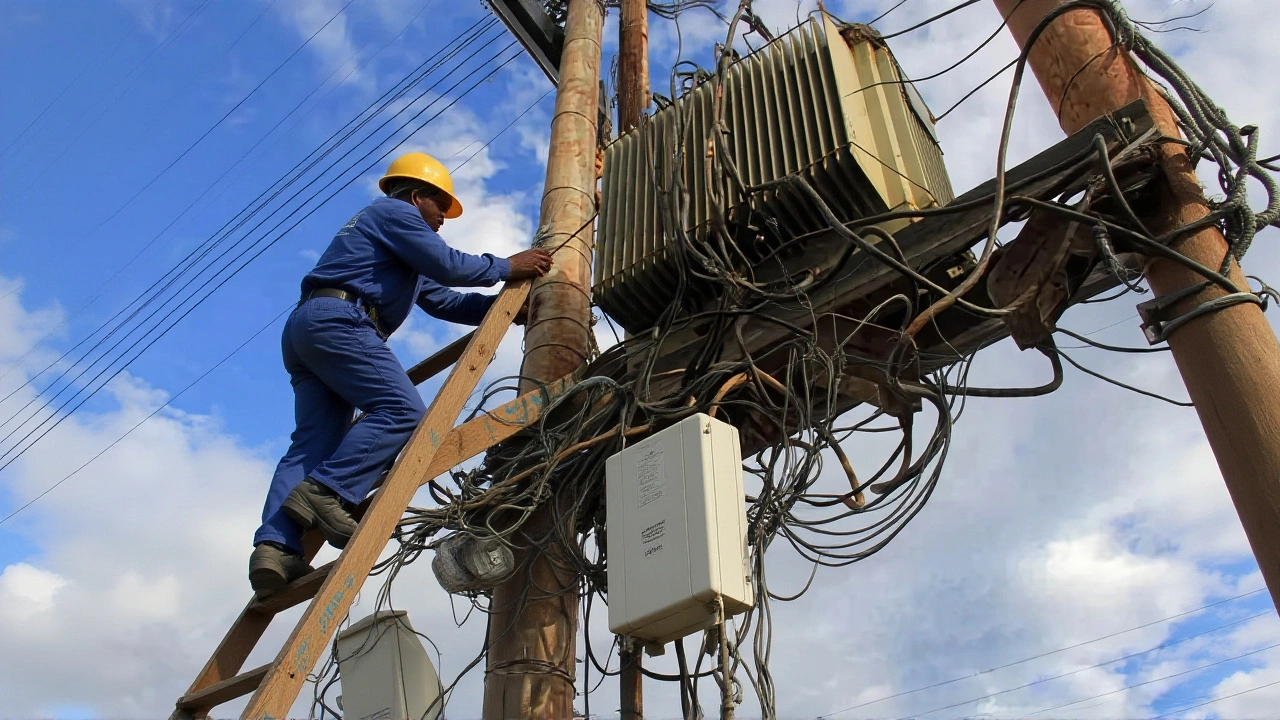
Kenya Power to Pay Customers for Blackouts Under New 2025 Energy Rules
Dec 3, 2025, Posted by Ra'eesa Moosa
Kenya Power must now compensate customers for blackouts under new 2025 regulations from EPRA, with industrial users potentially receiving hundreds of thousands of shillings per outage, addressing chronic 9.15-hour monthly power failures.
MORE