
EPRA: What It Is and Why It Matters in African Energy Markets
When you flip a switch and the light turns on in Nairobi, Lagos, or Lusaka, there’s a good chance EPRA, the Eastern and Southern African Power Pool Regulatory Authority. Also known as Energy Regulators Association, it plays a quiet but powerful role in making sure that power stays on, prices don’t spiral, and companies can’t exploit customers. EPRA isn’t a single government agency—it’s a regional network of national energy regulators working together to standardize rules across 12 countries. This matters because without it, cross-border electricity trading would be chaotic, tariffs would vary wildly, and investors would stay away.
EPRA’s job is simple in theory but tough in practice: make sure electricity is reliable, affordable, and fairly priced. It sets benchmarks for how utilities should report performance, how tariffs should be calculated, and how disputes between suppliers and consumers get resolved. In countries where power cuts are common, EPRA pushes for accountability. When a utility in Tanzania overcharges customers or a grid operator in Zambia fails to maintain infrastructure, EPRA steps in with audits and public reports. It doesn’t have police powers, but its influence comes from transparency—publishing data that governments and citizens can use to demand change.
Behind every successful energy project in the region—from solar farms in Kenya to hydropower upgrades in Mozambique—is a regulatory framework EPRA helped shape. It’s the reason foreign companies feel confident investing in African energy. It’s also why consumers in Malawi or Zimbabwe can compare prices across providers. EPRA doesn’t build power lines, but it makes sure the rules around them are fair. And when political pressure tries to bend the rules for favoritism or corruption, EPRA stands as a technical counterweight.
What you’ll find below are real stories where EPRA’s work touched lives: a Kenyan village getting its first stable power supply after regulatory pressure, a South African utility fined for hidden fees, a regional power deal that only moved forward because EPRA cleared the legal hurdles. These aren’t abstract policies—they’re the reason your phone charges, your fridge runs, and your child can study after dark.
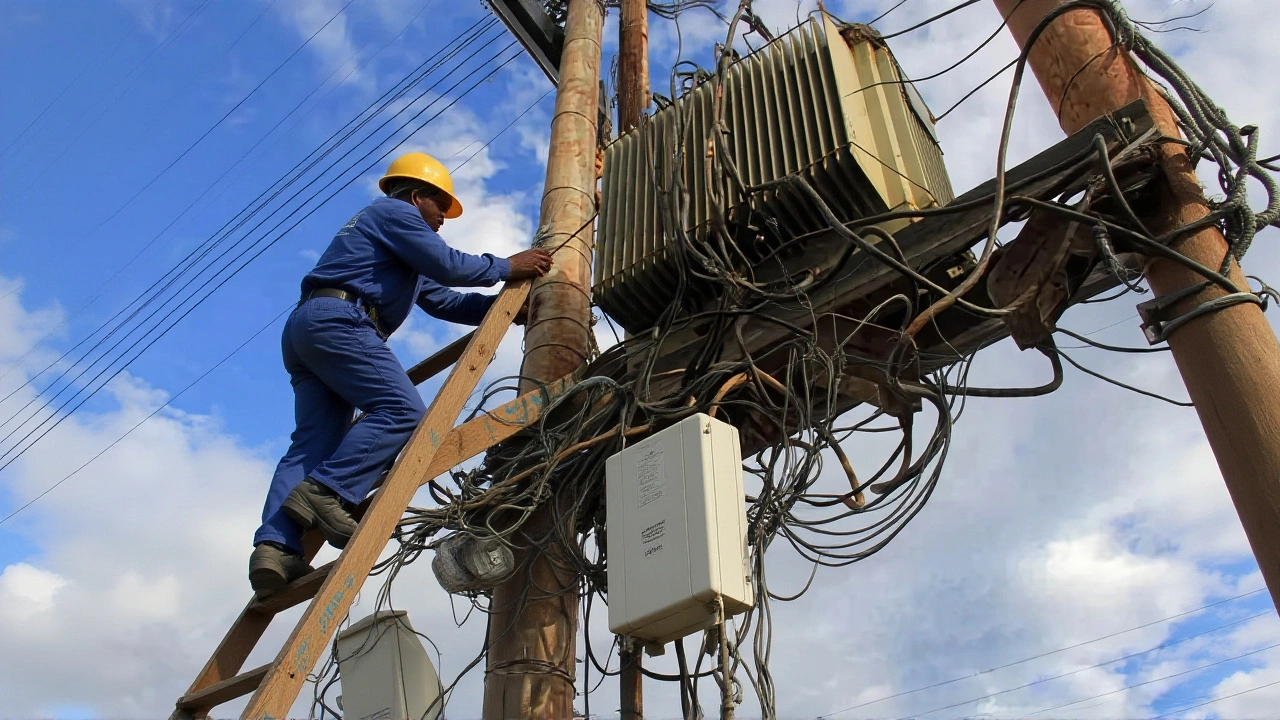
Kenya Power to Pay Customers for Blackouts Under New 2025 Energy Rules
Dec 3, 2025, Posted by Ra'eesa Moosa
Kenya Power must now compensate customers for blackouts under new 2025 regulations from EPRA, with industrial users potentially receiving hundreds of thousands of shillings per outage, addressing chronic 9.15-hour monthly power failures.
MORE